

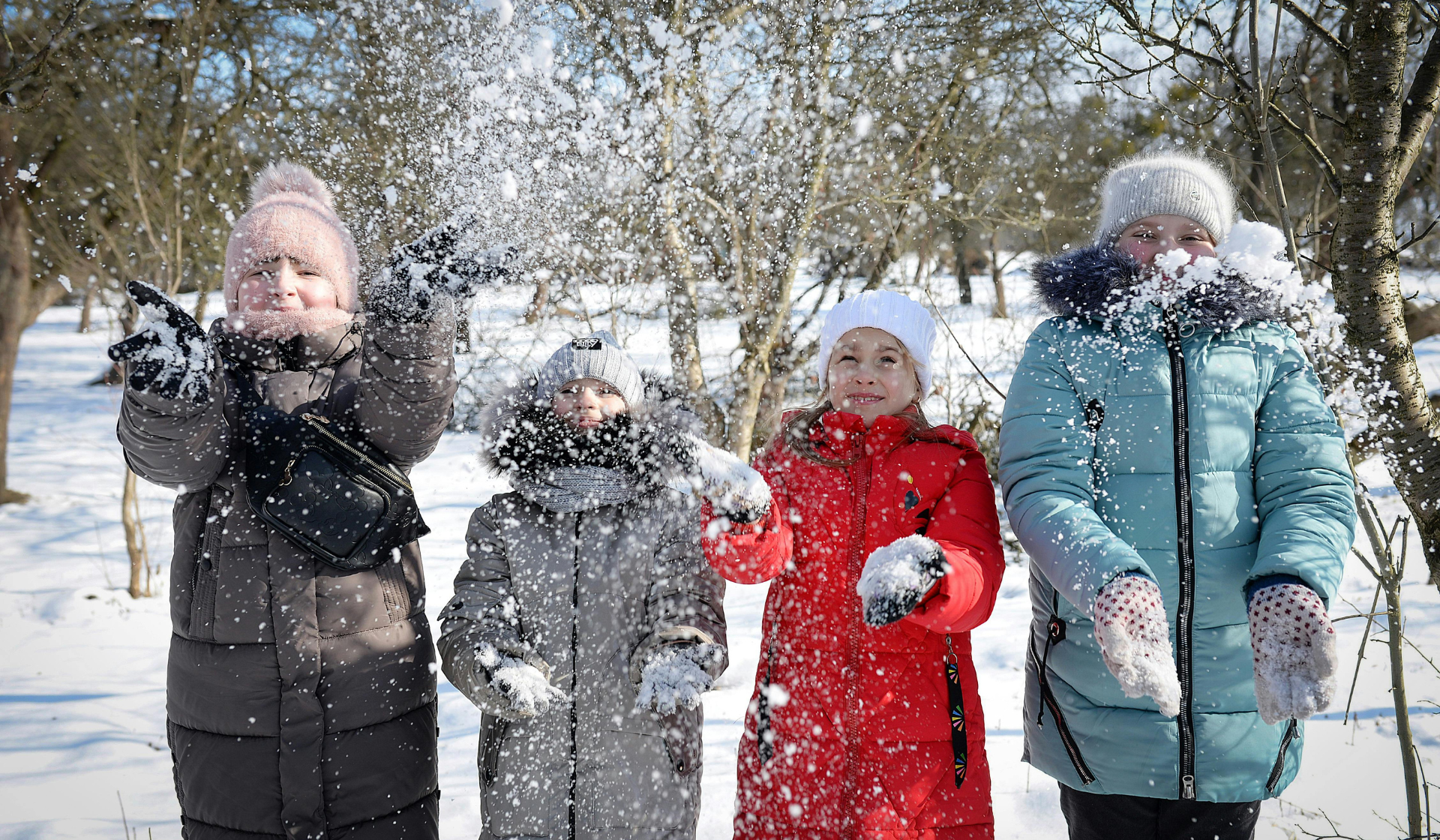
If you’re a parent of a child with special needs, you know that winter can feel like more than just a change of seasons. The shorter days, the indoor recess, the cancelled playdates because of weather—suddenly your child’s social world shrinks at the very time when connection matters most. You might notice your child coming home quieter than usual or catch yourself lying awake wondering if they ate lunch alone again. Maybe the other kids included them in the classroom project, or something happened on the bus that they can’t quite explain. These worries are real, and you’re not alone in feeling them. While winter presents unique challenges for social connection and inclusion, there are concrete steps you can take to help your child navigate this difficult season and build the friendships and sense of belonging they deserve.
To help guide you, use the acronym WINTERS to point the way:
W – Watch for warning signs – Monitor changes in your child’s behavior, mood, or reluctance to attend school that might signal social struggles. To avoid trouble, maintain open communication with your child using accessible methods suited to their needs, and establish regular check-ins with teachers and school staff.
I – Initiate structured social opportunities – Winter isolation can be combated through planned activities. For a creative solution, arrange playdates, enroll in special needs-friendly clubs or activities, or participate in community programs that provide inclusive social settings during the colder months when outdoor spontaneous play decreases.
N – Navigate communication with the school – Many social issues occur at school. To stay abreast of what’s happening, request regular communication and meetings with teachers, request observations during lunch and recess, ensure your child’s IEP or 504 Plan includes social goals, and ask about peer buddy programs or lunch bunch groups.
Learn more about The Difference Between a 504 Plan and an IEP.
T – Train peers and promote inclusion – Classmates may not understand how to interact with your child. To address this, work with teachers to implement disability awareness education, facilitate classroom presentations (with your child’s consent), and encourage the school to use inclusive teaching practices.
E – Establish anti-bullying protocols – Children with special needs face higher bullying risks. To prevent bullying, ensure the school has clear anti-bullying policies, document any incidents, know your child’s rights under federal disability laws, and request specific bullying prevention strategies in the IEP if needed.
Read more about HIB (Harassment, Intimidation or Bullying).
R – Reach out to support networks – Parents shouldn’t face these challenges alone. You can connect with other parents through special needs organizations, join online communities, seek family therapy or counseling if needed, and access respite care to maintain your own wellbeing.
S – Strengthen home connections – Your home environment can be your child’s buffer against social challenges. To create this positive atmosphere, celebrate your child’s uniqueness, build their self-esteem, teach social skills at home through role-play, maintain family traditions, and create a safe space where they feel valued and included.
Need help with your child’s school district or getting appropriate educational services? Contact an experienced attorney today at Sussan Greenwald & Wesler.
609-409-3500
Further Reading: